🔍
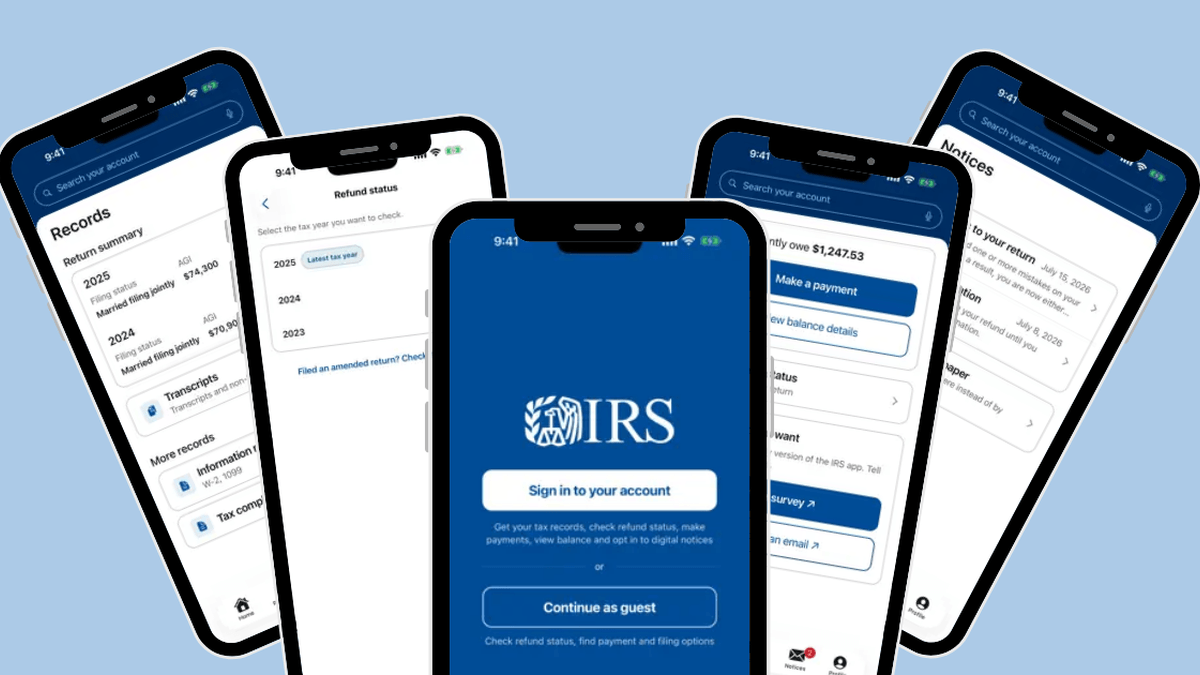
The IRS has a new mobile app. Here’s what taxpayers can do with it.
The IRS has launched a new mobile app that replaces IRS2Go, giving taxpayers quick access to refund status, payment history, tax records, IRS notices, and Identity Protection PINs. This article walks through what the app can do and how to use it safely. If something in your IRS account raises questions, a tax professional can help you make sense of it.

How much cash should your business actually keep?
How much cash should your business keep on hand? The answer depends on more than a simple rule of thumb. This article breaks down a practical framework for separating your cash into layers, covering operating needs, committed funds, and contingency reserves, so you can make smarter decisions about liquidity, capital allocation, and when cash truly becomes excess.
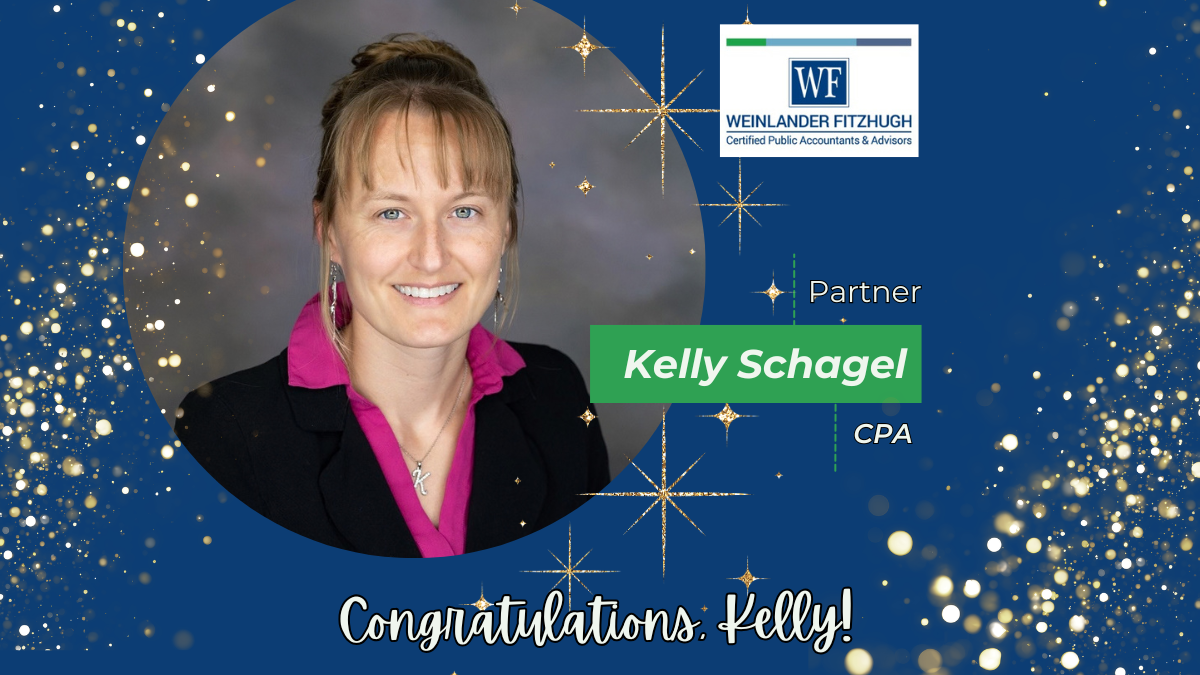
Weinlander Fitzhugh Welcomes Kelly Schagel, CPA, as Partner
From intern to Partner, Kelly Schagel’s journey with Weinlander Fitzhugh reflects her dedication, leadership, and commitment to helping others succeed. Learn more about Kelly’s journey and the contributions that have shaped her career with the Firm.

Q4 tax planning: what needs to happen, and when?
Q4 tax planning is not a single deadline; it's a series of decisions that each have their own timing. Some strategies require lead time to execute, others depend on an updated year-end forecast, and some work can legitimately carry into the new year. Knowing which category each decision falls into is what separates effective fourth quarter planning from a last-minute scramble in December.

Fraud prevention strategies for nonprofit organizations
Nonprofits are disproportionately vulnerable to occupational fraud due to small administrative teams, part-time board oversight, and heavy reliance on cash-based transactions. Asset misappropriation schemes such as skimming, billing fraud, and expense reimbursement abuse are among the most common threats, and the typical scheme goes undetected for over a year. By implementing practical internal controls, strengthening board oversight, and engaging a CPA proactively, nonprofits can significantly reduce their exposure before a loss occurs.

The Quiet Risk of State and Local Payroll Tax Reporting Gaps
Payroll tax gaps often emerge when employee work locations and tax reporting fall out of sync. Learn where exposure occurs, what is at risk, and how employers can identify and correct issues before state agencies do.

SOC 2 and AI in 2026: The Criteria Didn’t Change, but the Examination Did
No new AI criteria arrived in 2026. Auditors now expect AI evidence under the criteria you already follow. Here is what your next SOC 2 examination covers.

Retirement Plan Oversight: Four Ways to Reduce Risk
ERISA keeps retirement plan oversight with the sponsor. Four ways fiduciaries reduce risk: form a committee, monitor your TPA, assign ownership, act fast.

Form 990 filing mistakes that can undermine your nonprofit’s credibility
Form 990 is more than a tax return; it's a public document that donors, grantmakers, and regulators use to evaluate your nonprofit. Common mistakes in filing, reconciliation, and narrative disclosures can raise questions about financial stewardship or put your tax-exempt status at risk. This article outlines the key errors to avoid and how to build a more reliable year-over-year filing process.

Construction accounting that reveals problems early: job costing, change orders, and WIP reporting
Construction businesses can stay profitable on paper while margin quietly slips away on individual jobs. This article explains how job costing, change-order management, and work-in-progress reporting work together to surface problems early. Learn what to look for in each system and how to keep all three telling the same story before issues become year-end surprises.

Section 179D energy-efficient commercial building deduction: a reminder for projects already underway
Although the June 30, 2026 deadline for the Section 179D energy-efficient commercial building deduction has passed, projects that began construction on or before that date may still be eligible for a significant per-square-foot deduction. Building owners with projects already underway should act now to confirm eligibility, secure required third-party certification, and file Form 7205 before documentation becomes difficult to reconstruct.

IRS raises the standard mileage rates for the second half of 2026
The IRS raised the standard mileage rates for the second half of 2026, effective July 1, with the business rate increasing from 72.5 cents to 76 cents per mile. Taxpayers who use their vehicle for business, medical, or qualifying moving purposes will need to track mileage separately for each half of the year. Learn what the new rates mean for your deductions, reimbursement policies, and recordkeeping.